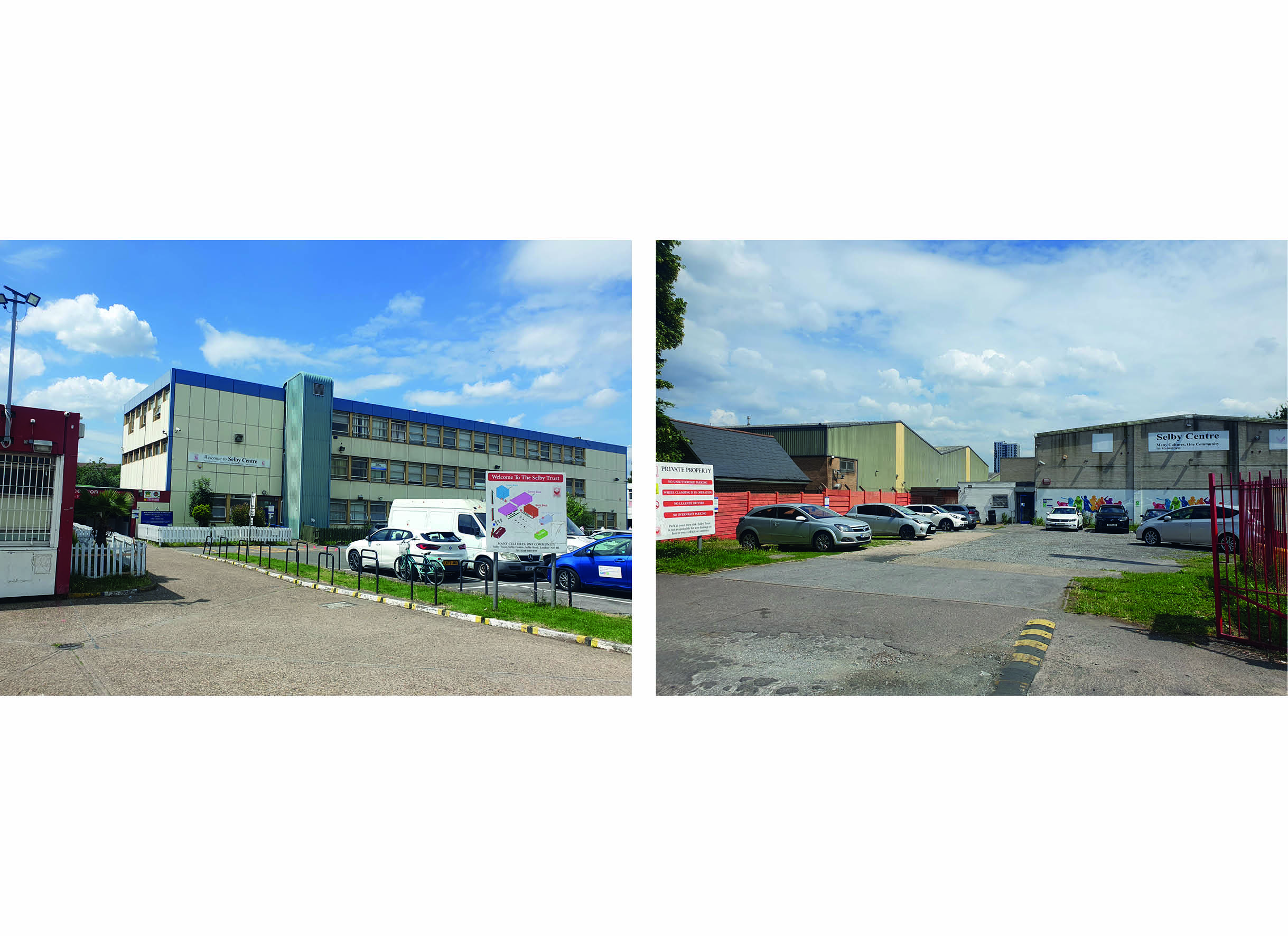
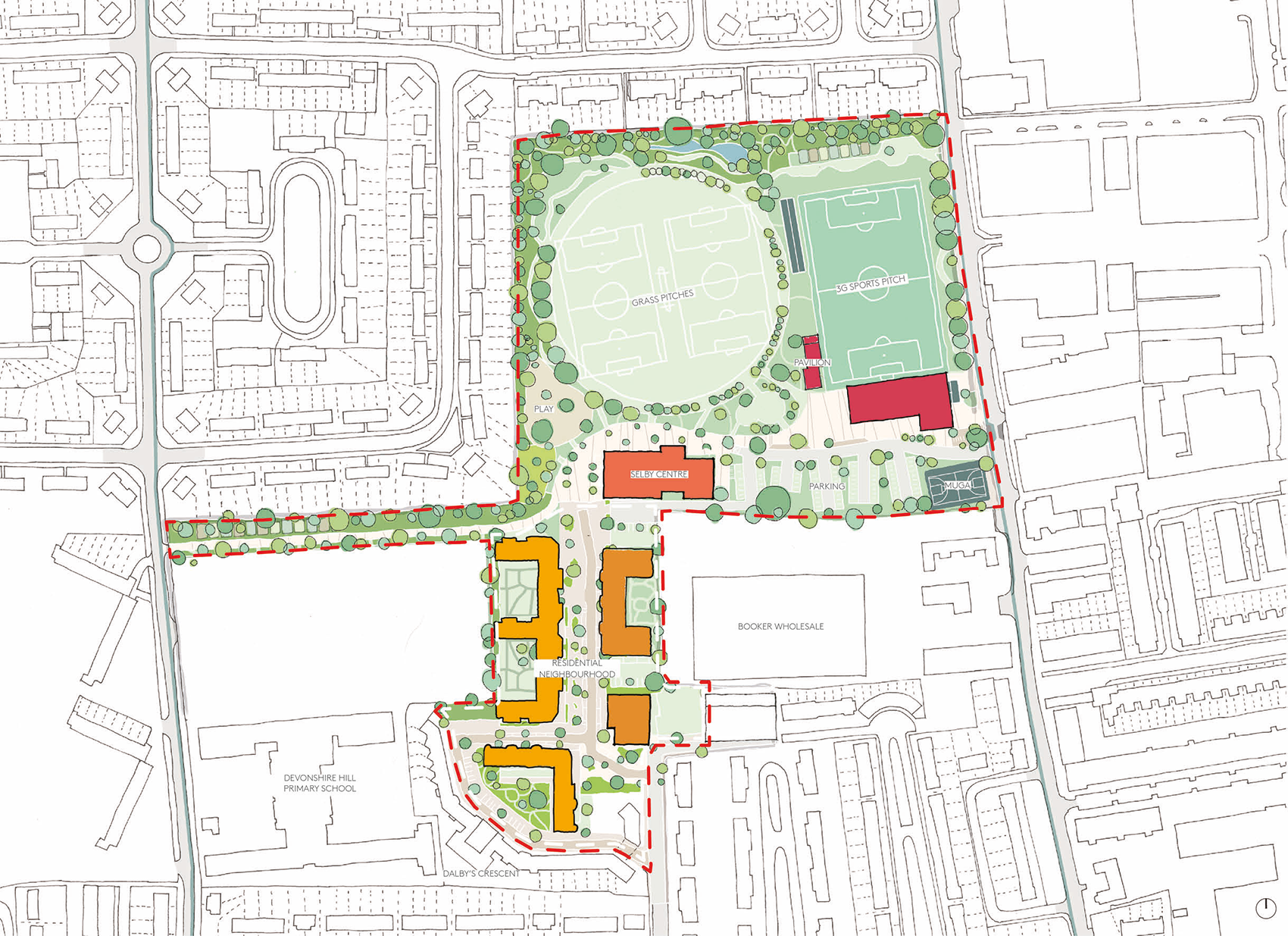
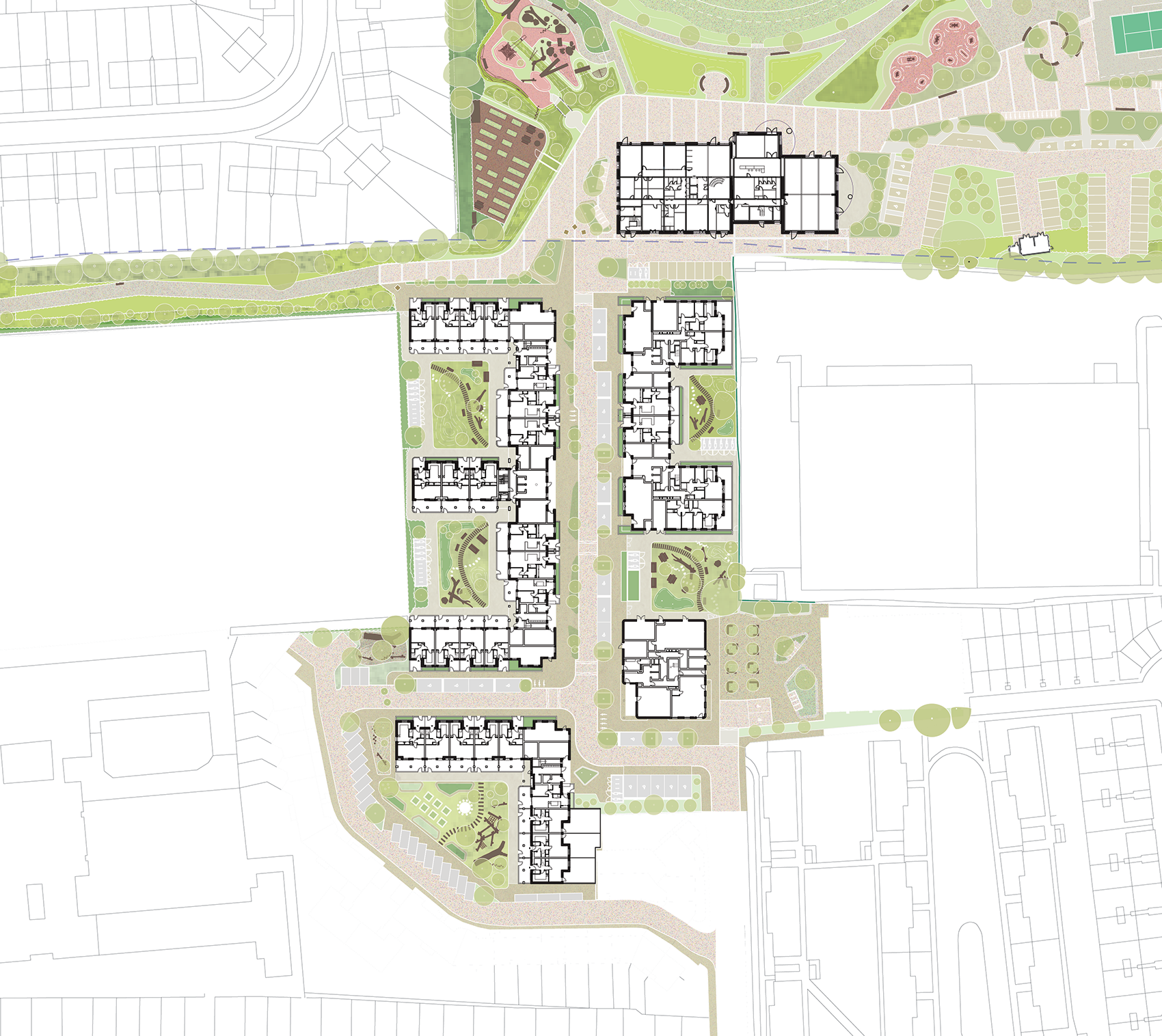
Forming part of the Selby Urban Village, the residential quarter of our Selby masterplan will provide 202 socially rented homes across a range of typologies. The design introduces new streets, revitalised open spaces and a diverse range of new community amenities, creating a vibrant and well-connected new neighbourhood in North London.
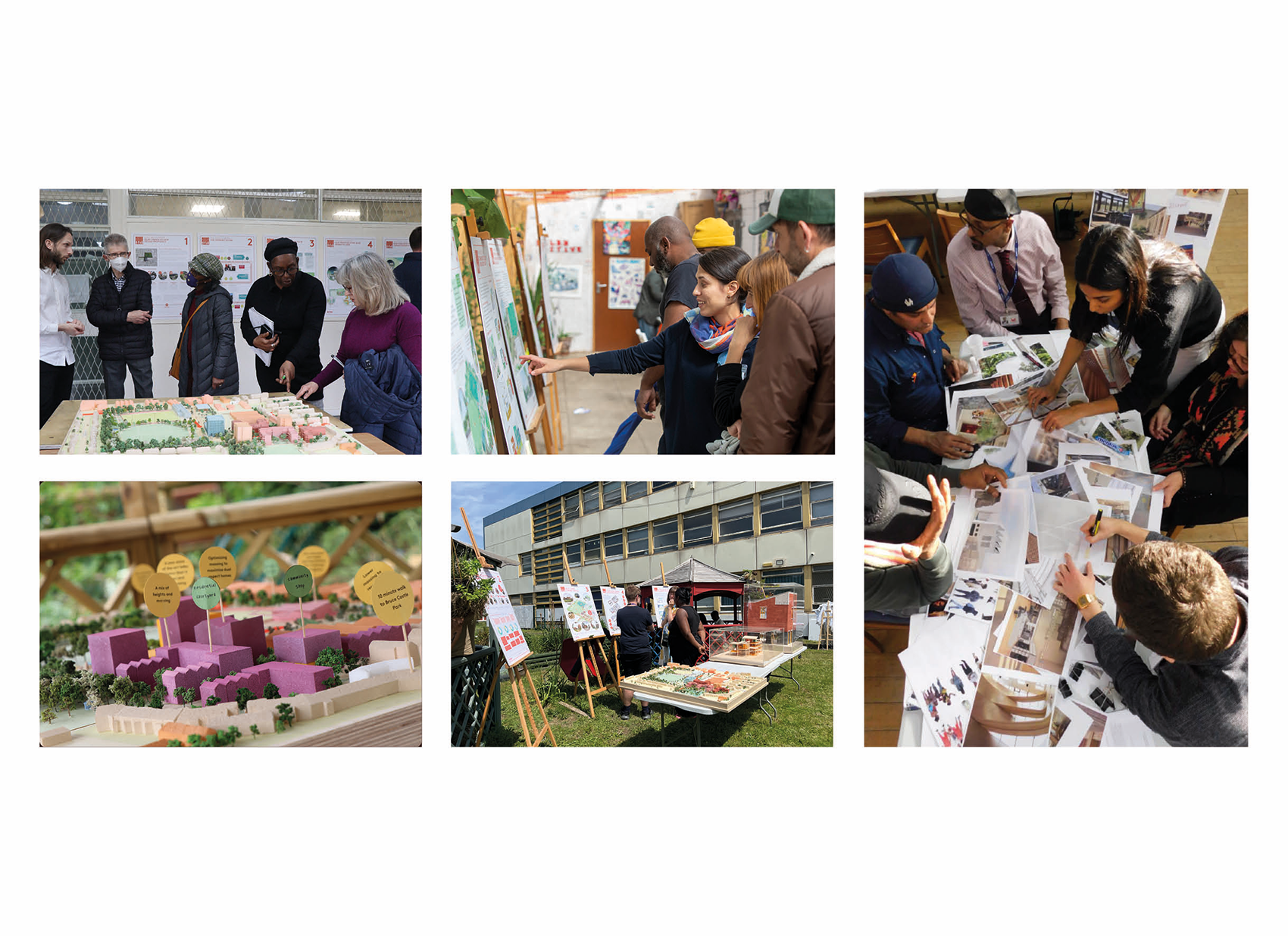
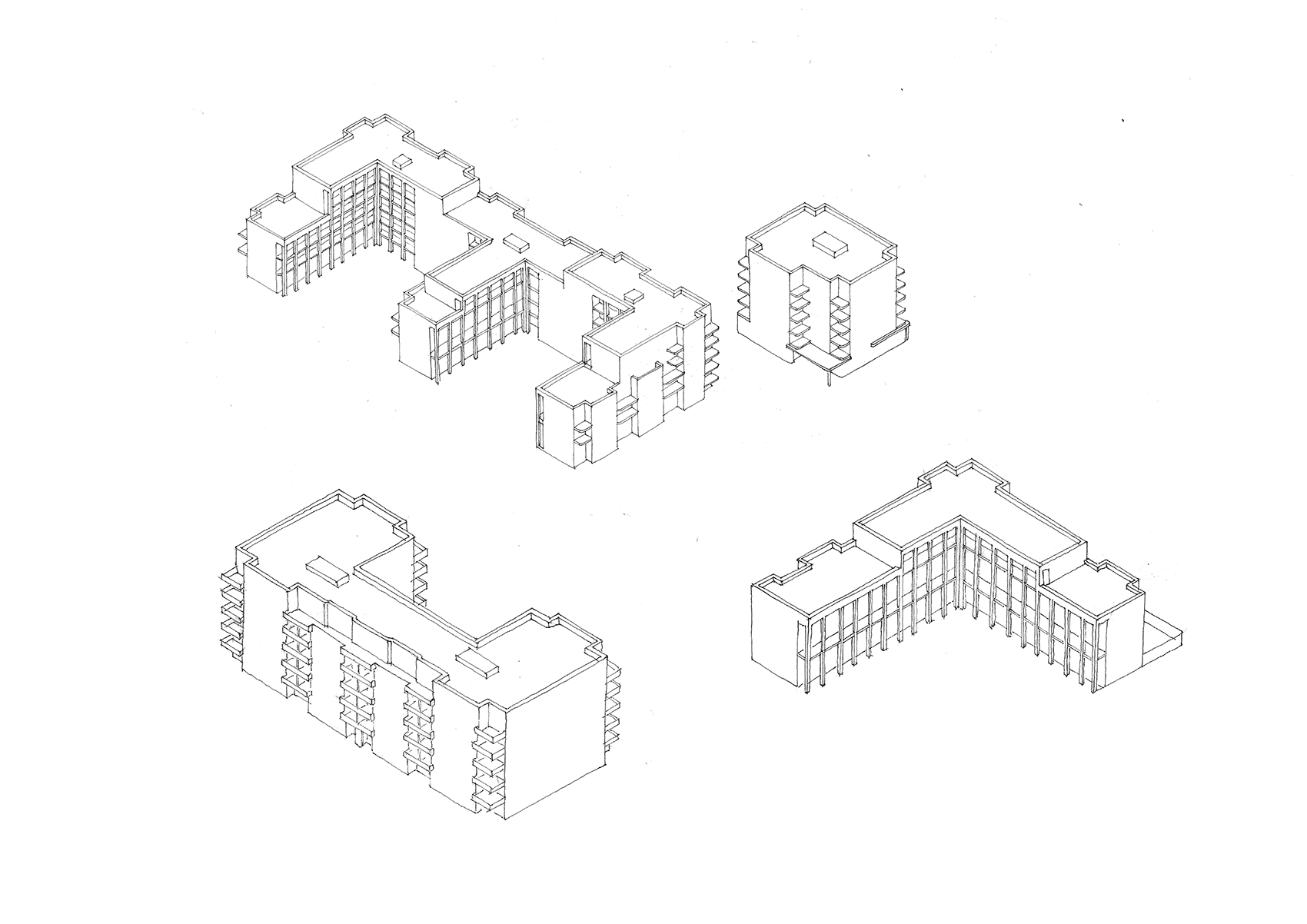
Shaped by the community through a programme of public engagement events, the new housing reflects the need for more council homes in the borough and local resident ambitions for better connections, easy access to upgraded community facilities and more animated public spaces. These aspirations informed the design of four medium-rise blocks, each capped at a maximum of five storeys and arranged around shared courtyards.
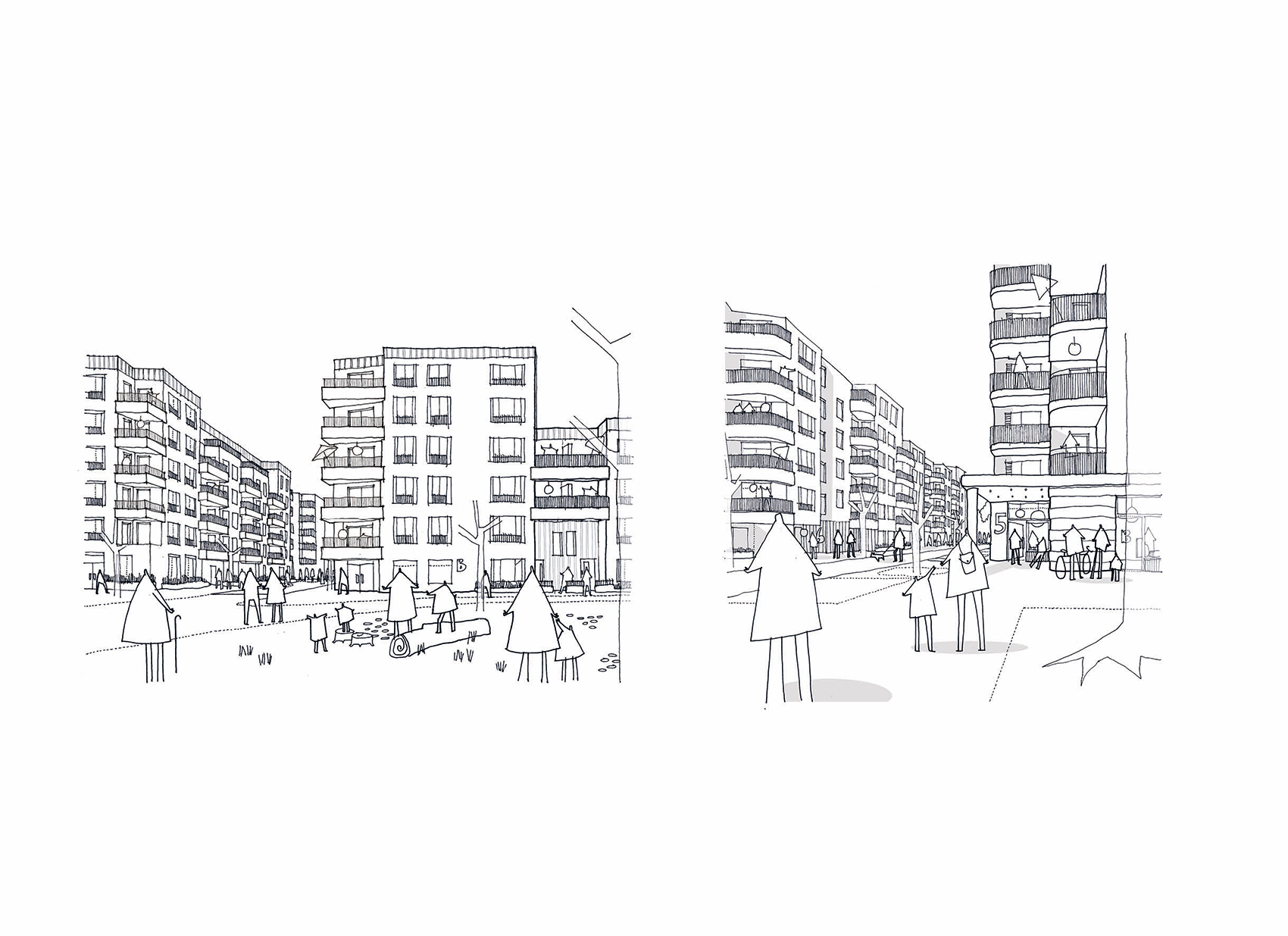
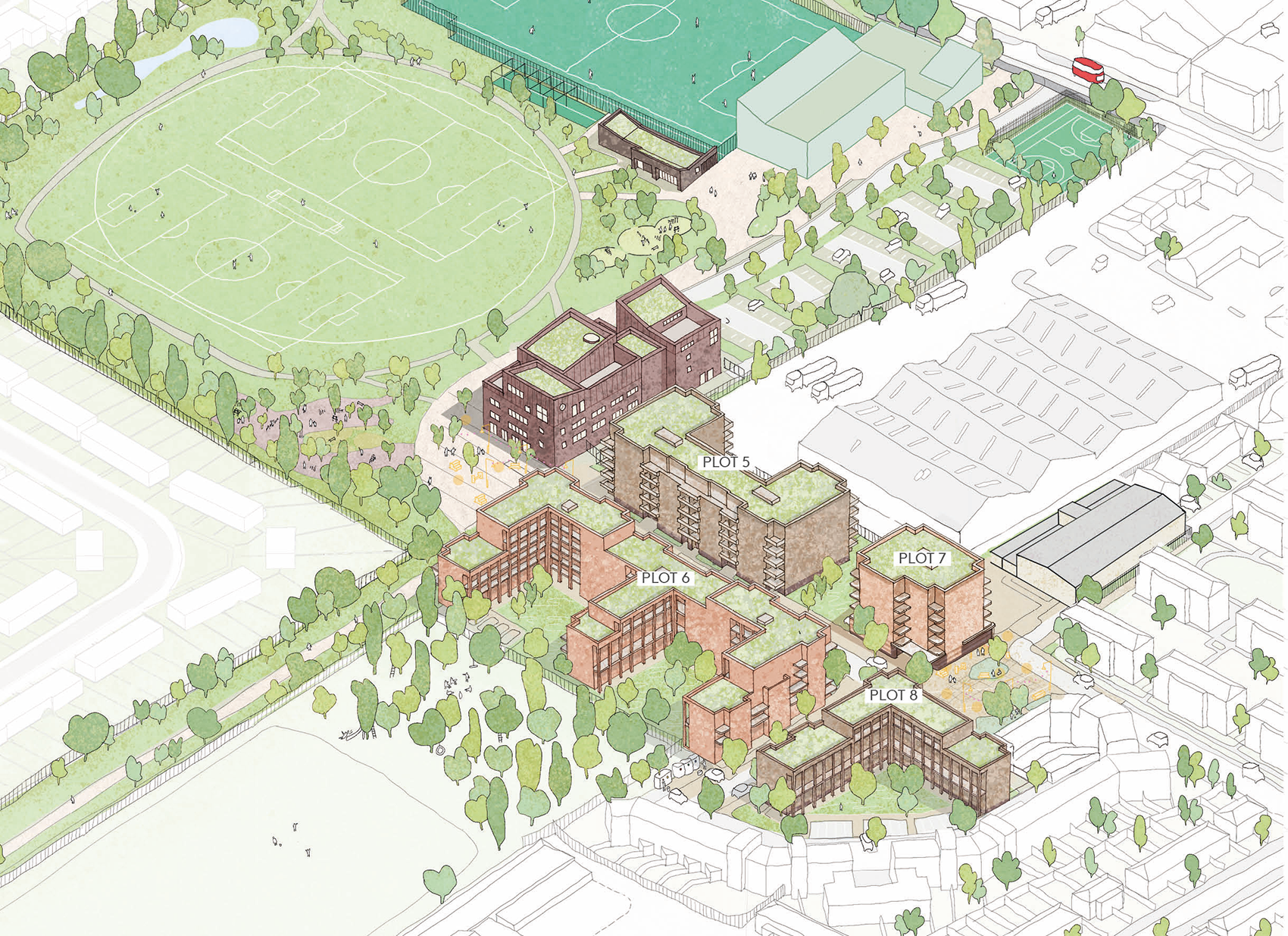
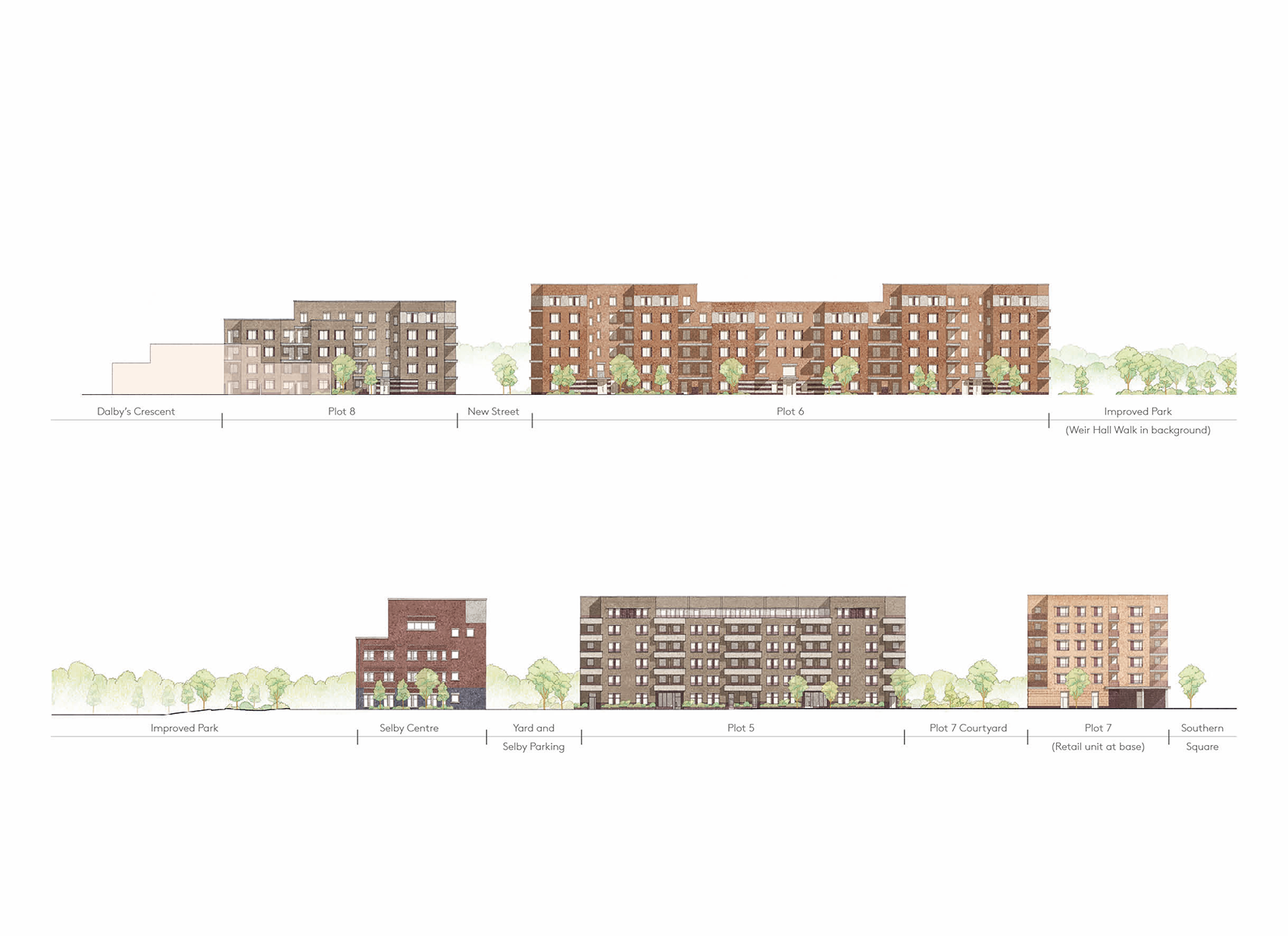
The new buildings are organised along a north-south central street, lined with street trees and greening, establishing a continuous route that extends Selby Road and connects the Bull Lane Playing Fields and its surrounding parkland with the new neighbourhood. A sensitive massing strategy responds to the site’s bounding edges, including Dalby’s Crescent to the south, the school playing fields to the east and industrial land to the west.
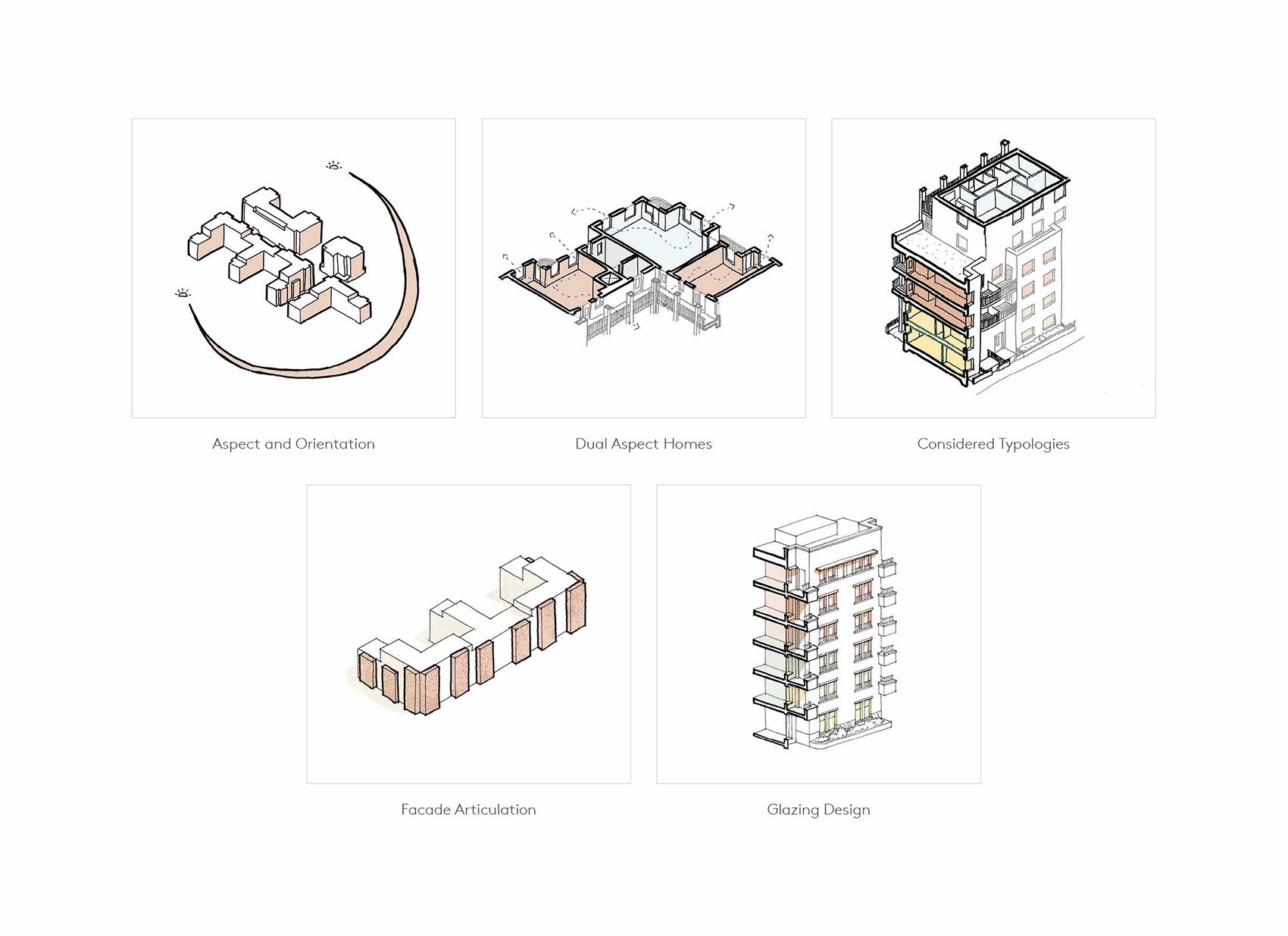
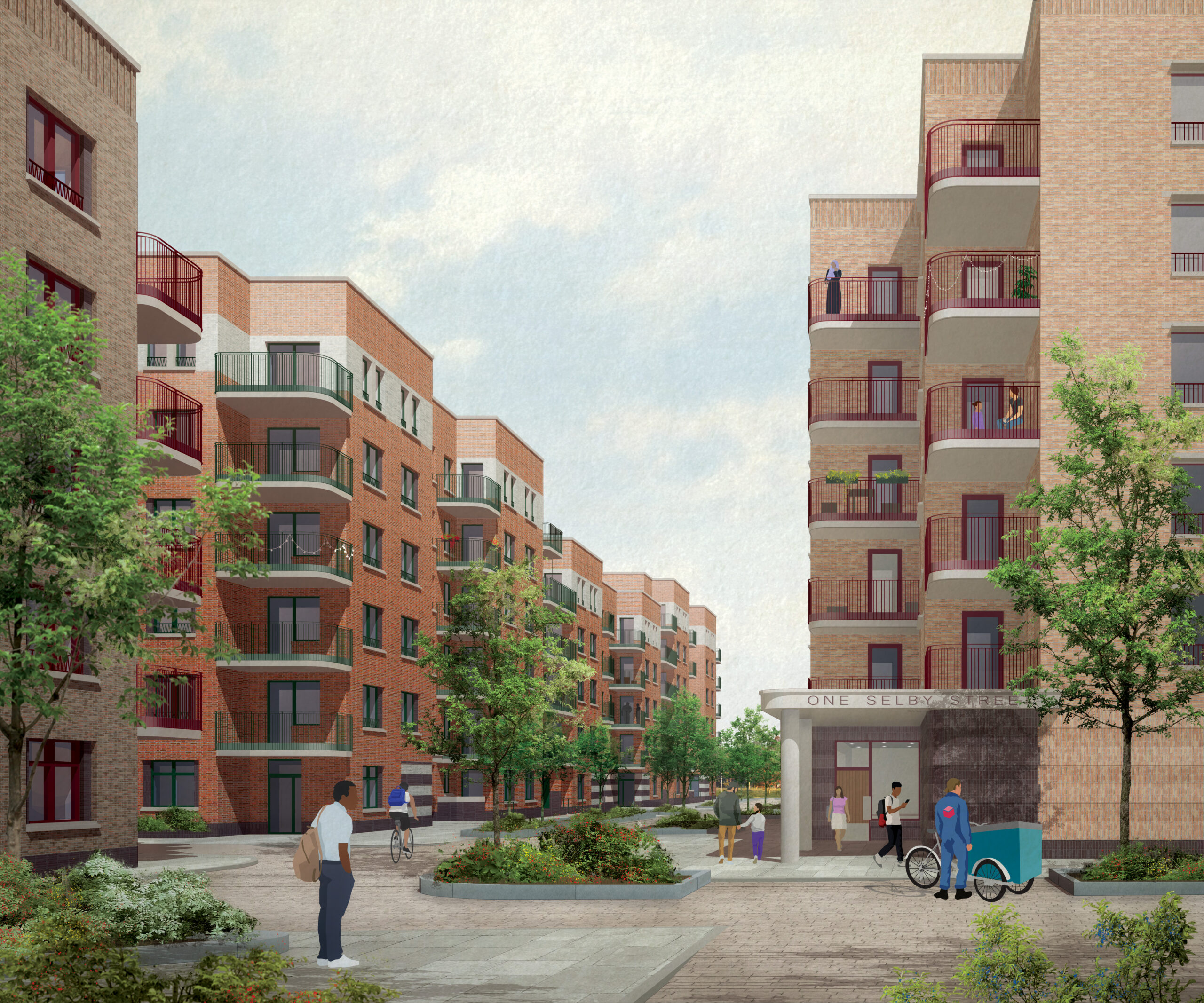
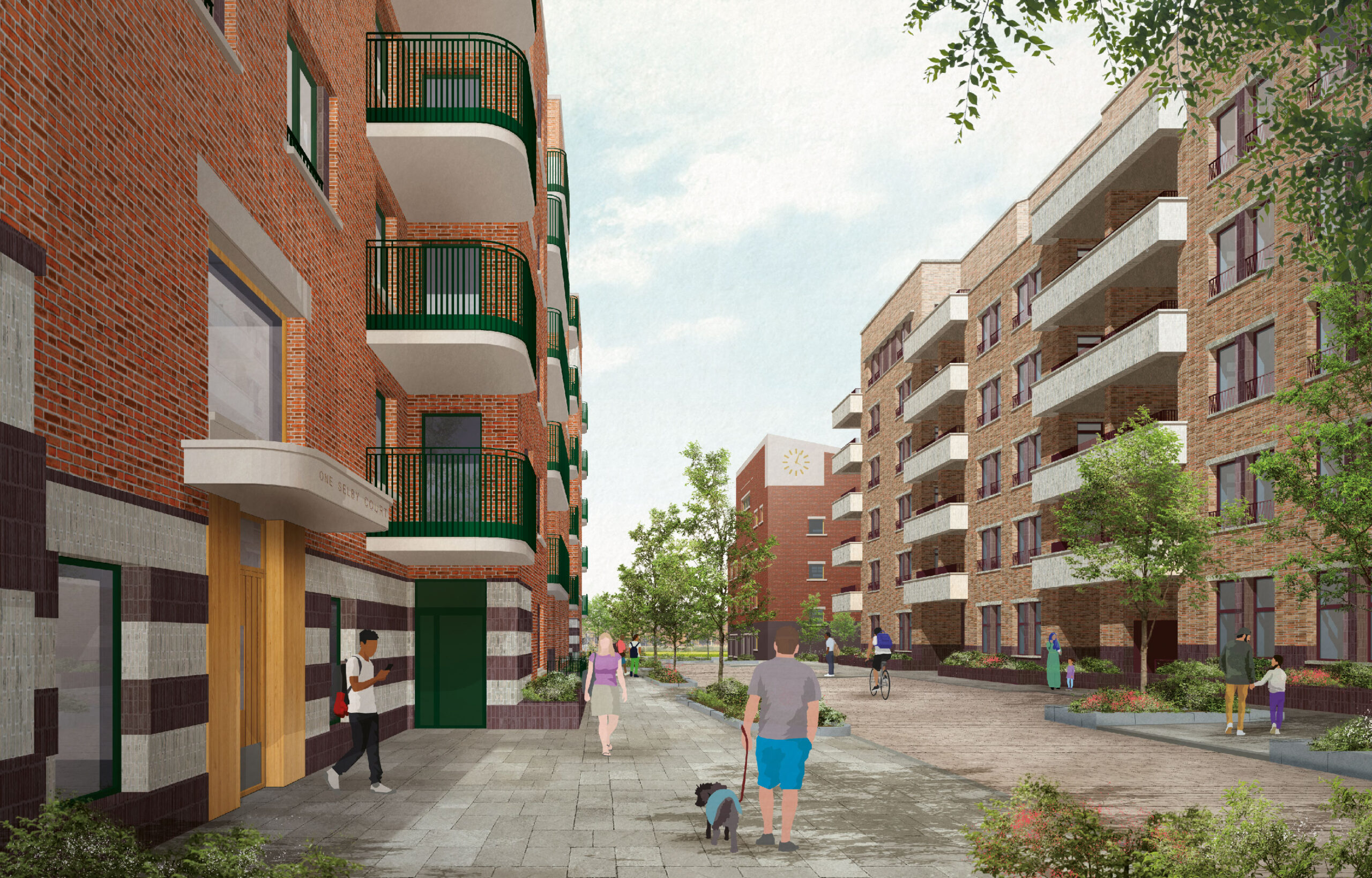
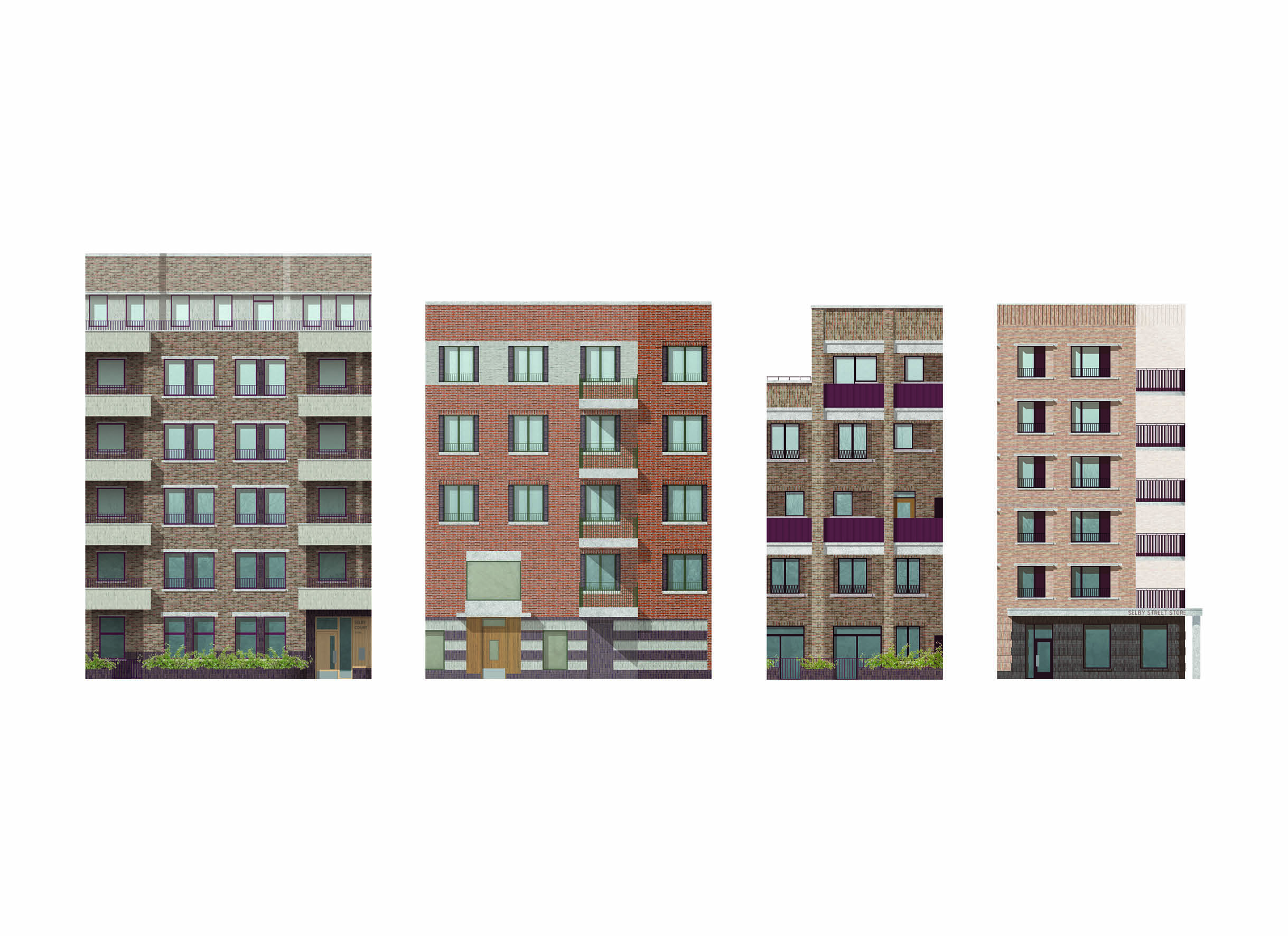
Along this new street, consistent building lines, considered thresholds and communal details ensure a characterful and strongly defined central space. Firmly rooted in context, the buildings draw on residential arts and crafts detailing found in the surrounding area. Balconies, windows and front doors on the block typologies are paired to reference the area’s vernacular and are complemented with decorative brick work that unify the new forms with a shared architectural language.
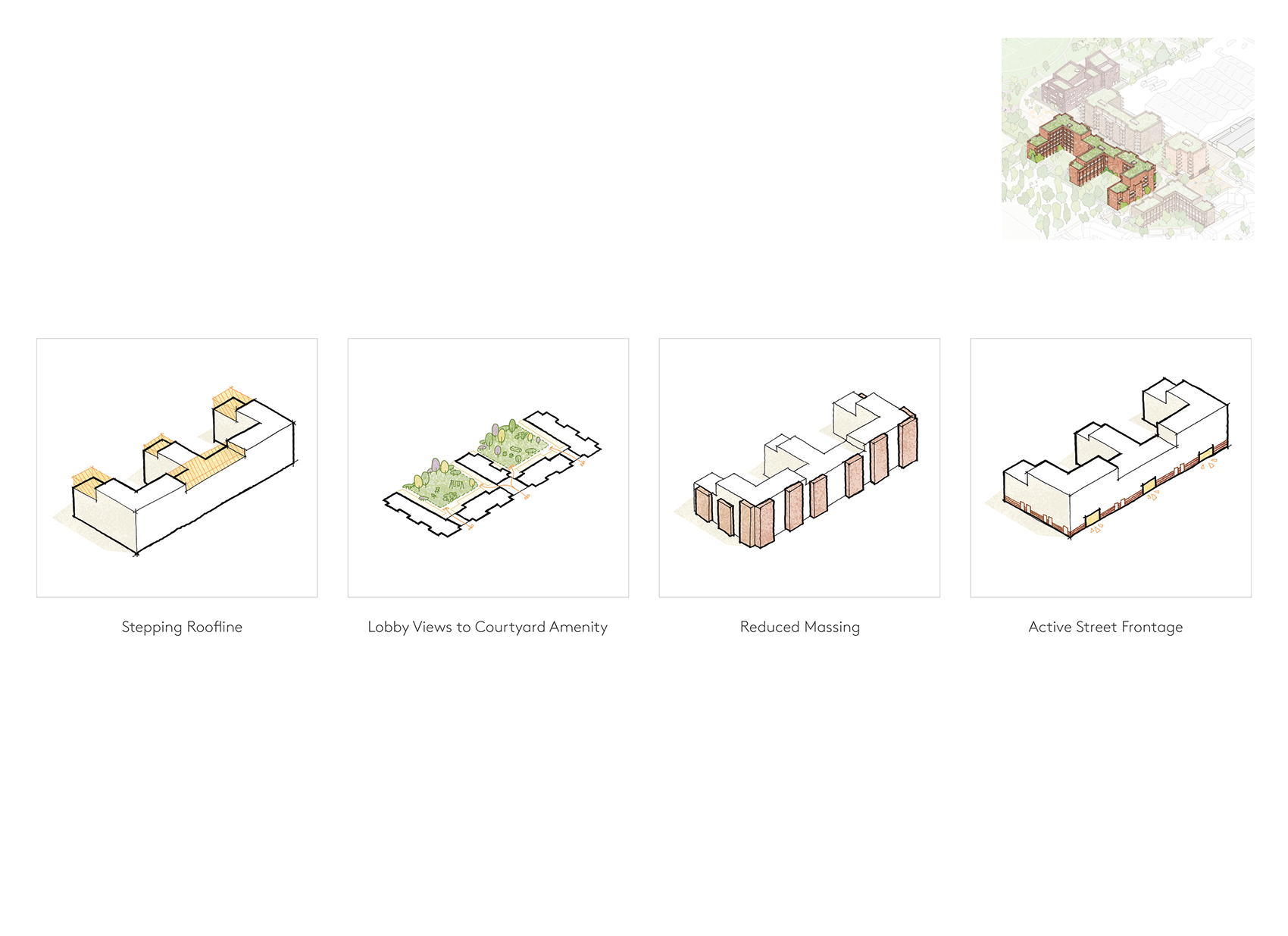
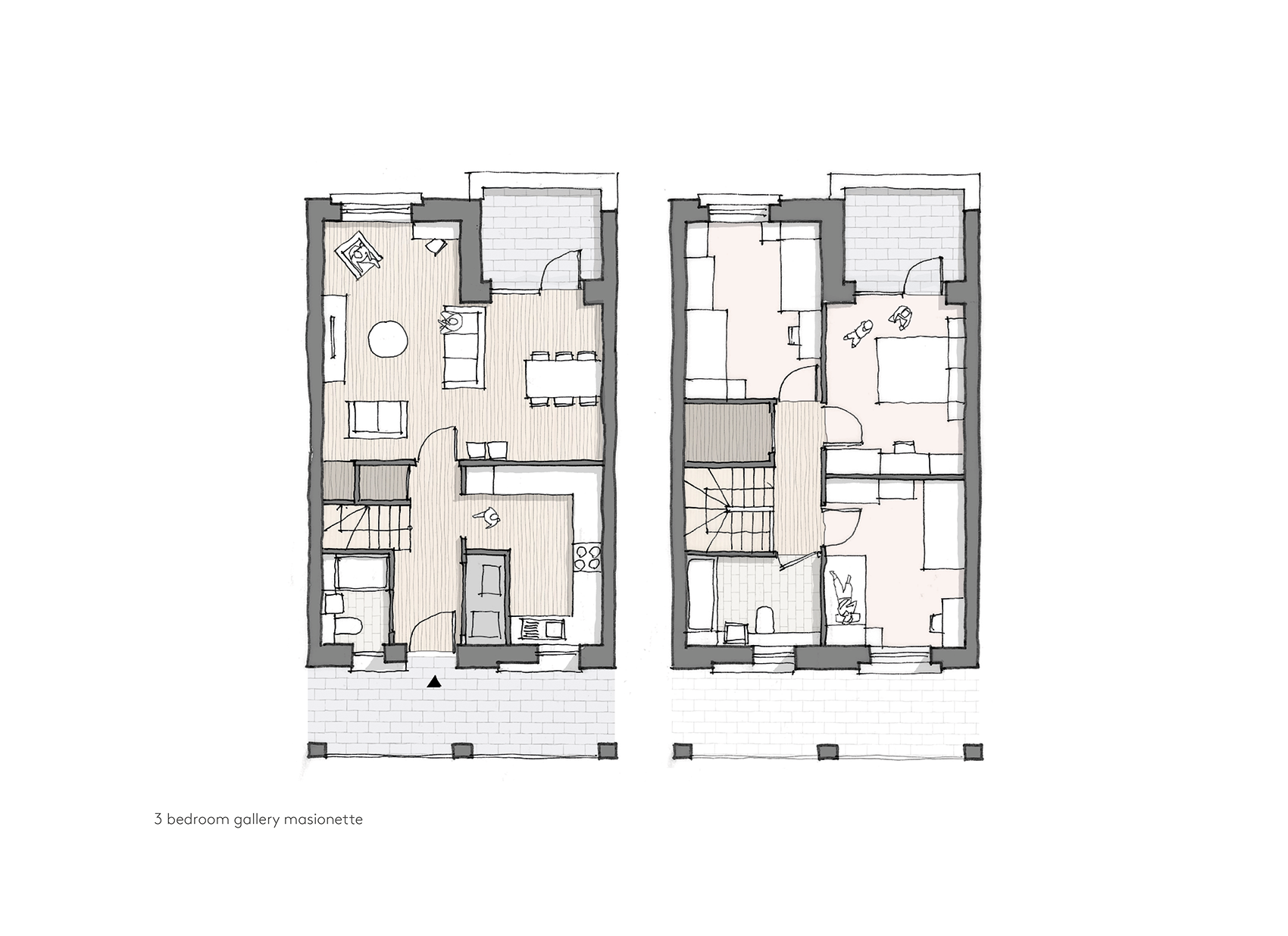
Adding a distinctive character to each, the buildings are broken up by different articulated bays, stepping rooflines and individualised through varied tones in the materials, detailing and scales, allowing each its own identity. At ground level, lobby entrances and paired front doors on larger maisonette dwellings create rhythmic frontages activating this new key route to and from the park.
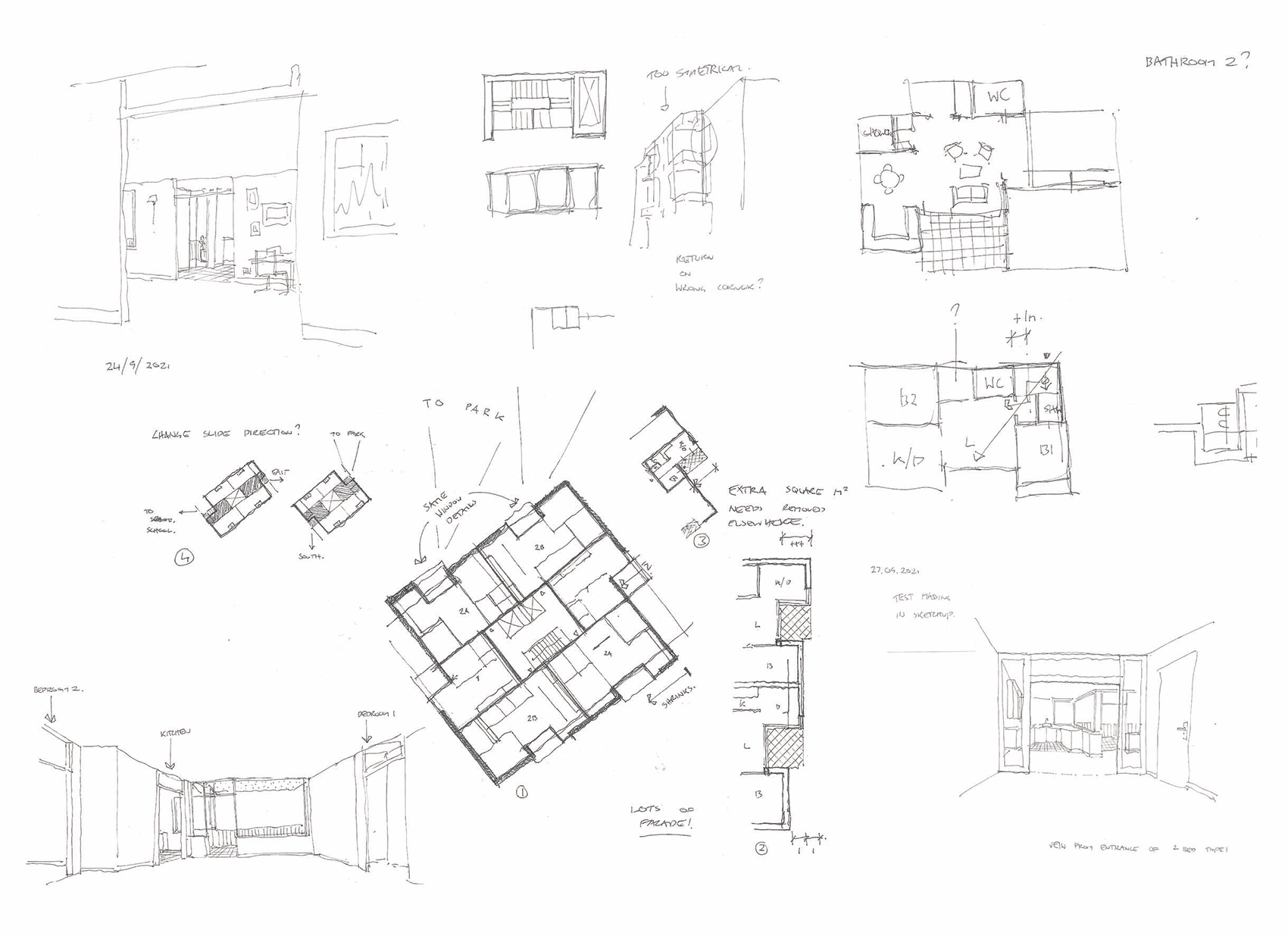
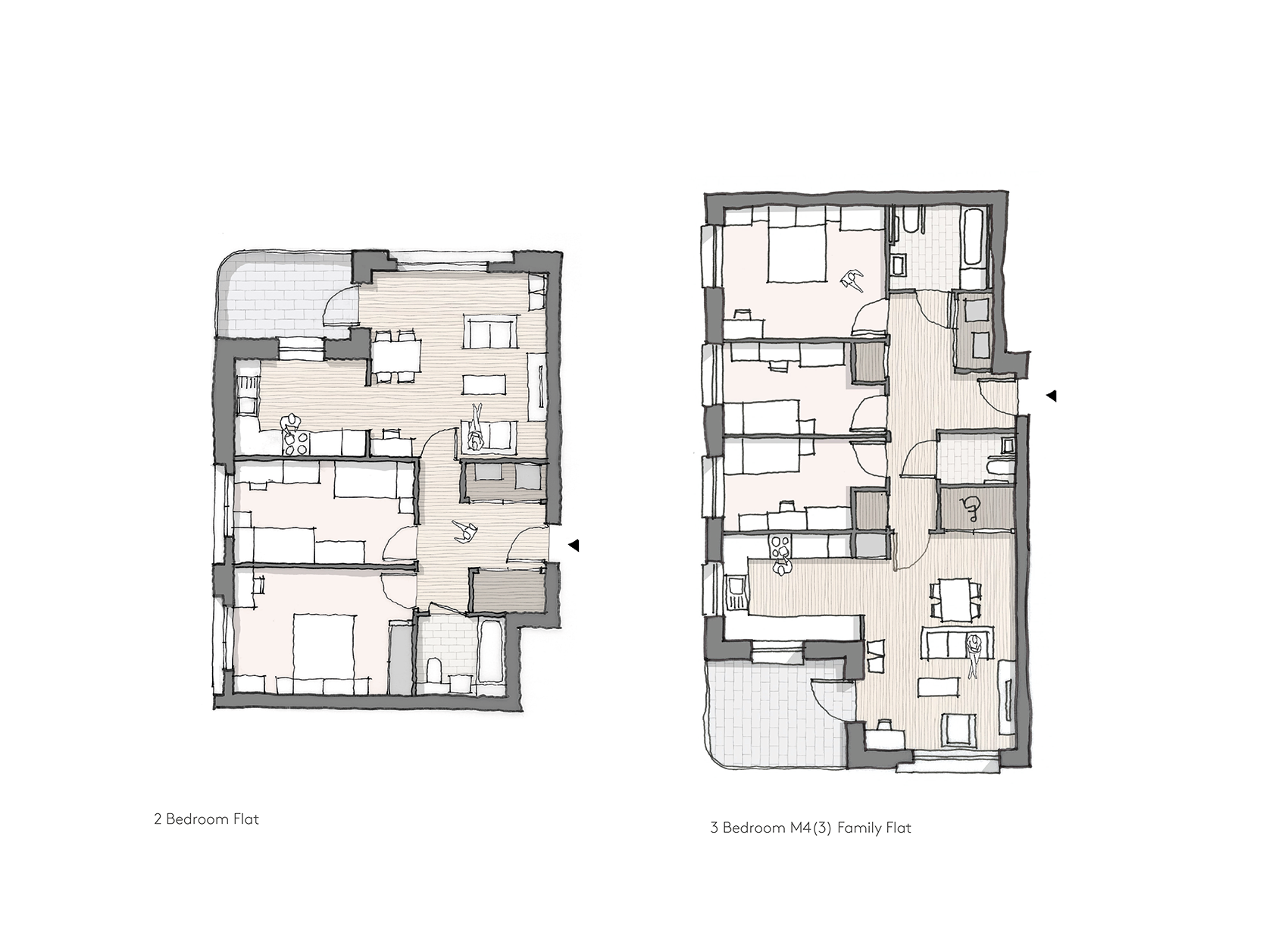
All the typologies respond to the original design intent; maximising family homes, creating active ground floors and providing dual aspect layouts. The courtyard blocks share similar architectural features, characterised by semi-projected rounded balconies, coloured balustrades and regular bays breaking up their massing. Two of these blocks feature shared gallery access, ensuring all homes are dual aspect, while framing views of the active communal courtyards below.
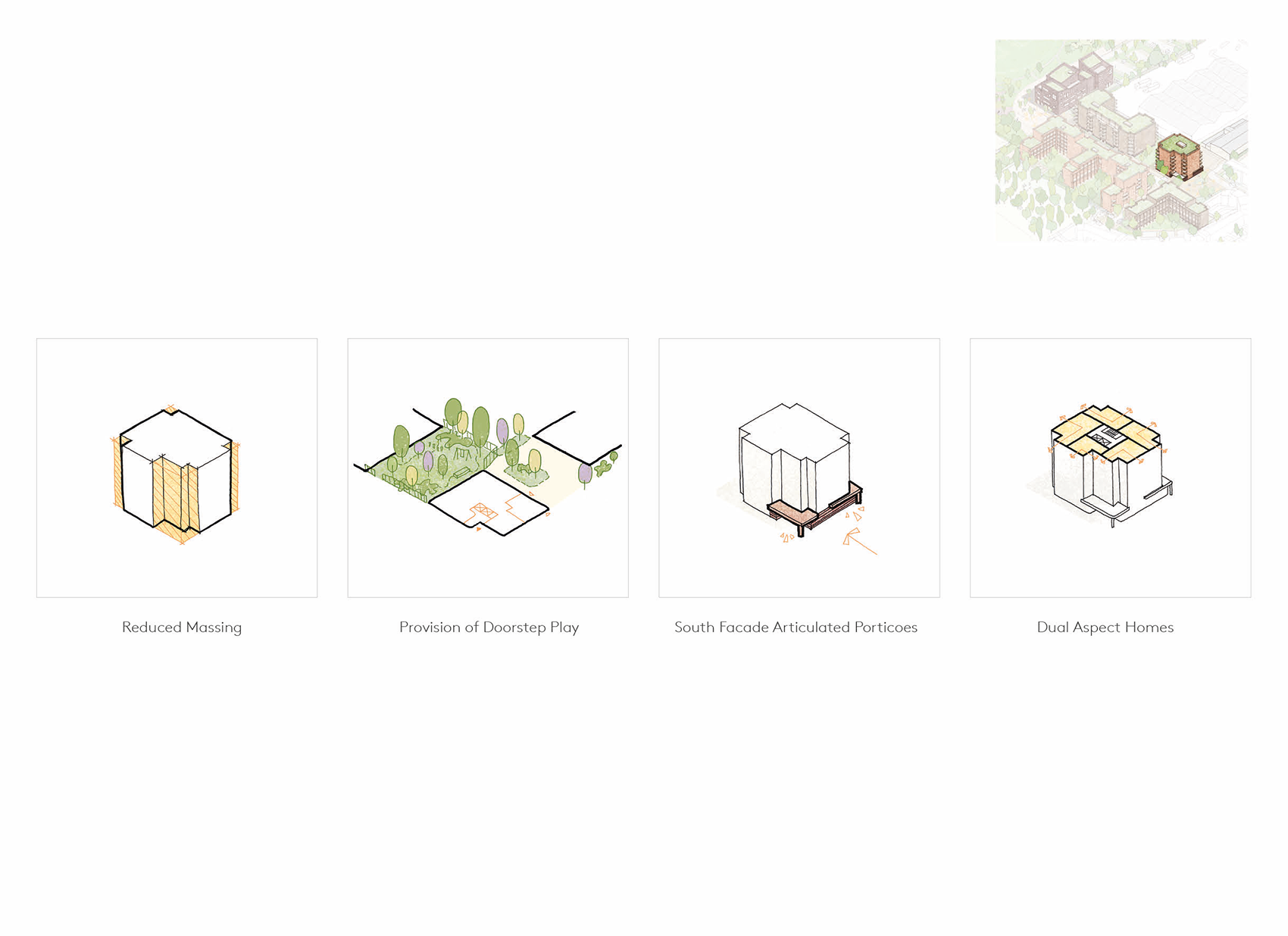
The point block anchoring the south-east edge establishes a welcoming threshold to the new Selby neighbourhood. The building is arranged around a central core and defined by staggered balconies that create a distinctive vertical rhythm. Clad in lighter brickwork, the building features projecting pre-cast concrete colonnades and porticoes that mark the communal entrance and the small commercial unit. Semi-projecting concrete balconies with metal balustrades animate the façades, forming an active frontage that addresses Selby Road, the existing sports hall and the new central spine.